01
The first conversation stays on paper
Every visit starts with names, needs, and context written down carefully so people are not made to reintroduce their hardship each time support circles back through the trust.
Stories
Story Opening
The trust keeps stories close to the ground. They begin in school carparks, on quiet front steps, beside folding tables after community meals, and in the long drives back where the real work is deciding what must happen next, who needs a call before morning, and how not to let a household explain everything again from the beginning.
Story Sequence
These are not campaign snapshots. They are scenes of repeated contact, practical relief, and the kind of listening that only matters if it changes the next visit.
Every visit starts with names, needs, and context written down carefully so people are not made to reintroduce their hardship each time support circles back through the trust.
Transport, timing, and geography shape what is possible. A story often changes once the trust sees the distance between a family, a service, and the nearest affordable option.
Shared meals, supply handovers, and local partner check-ins create a visible record that help arrived where it was meant to, and that somebody stayed long enough to make sense of it.
The trust measures itself by follow-through. If a family can point to one thing that became easier, faster, or more stable after the first meeting, the story has moved forward.
Feature Story
One of the trust’s strongest patterns is simple: sit where people already are, ask what keeps slipping through, and listen for the gap between what was promised and what actually reached the house.
That is where stories become useful. A grandparent explains which forms were filled in but never answered. A parent points to the petrol cost that turned an available service into an impossible one. A neighbour names the person everyone already trusts to carry updates back through the street.
From there, the work becomes specific. The trust links immediate relief with memory, so details are held, checked, and returned to instead of being lost between agencies, weeks, or new crises.


Field Notes
"They did not arrive with a speech. They arrived with time."Whanau support visit
"The road tells you quickly which services are real and which ones only exist on paper."Regional field round
"What mattered was that they came back with the next step already in motion."Follow-up meeting
"A story becomes trust when someone remembers the details the second time."Partner reflection
Story Gallery
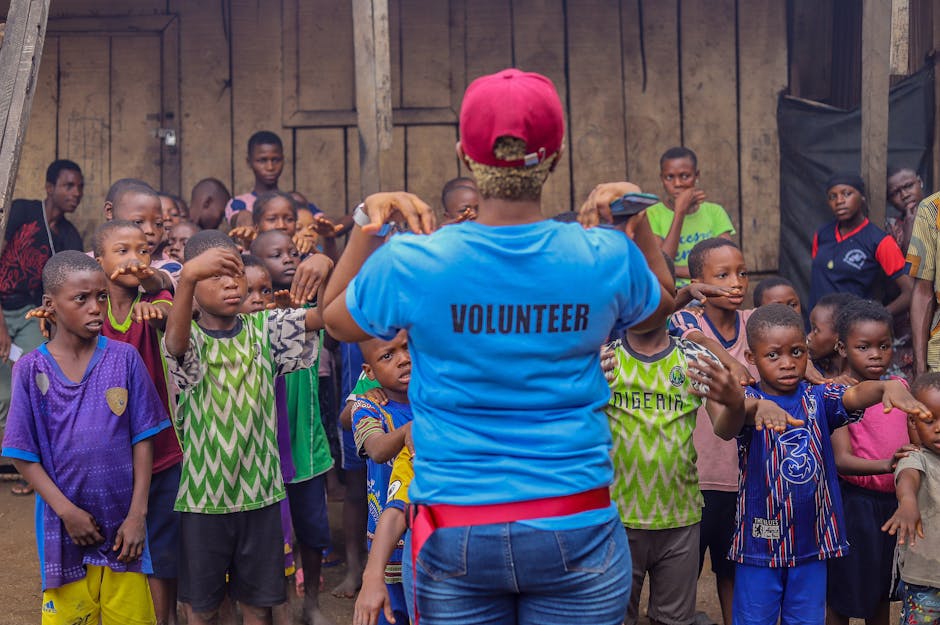
Scenes of shared presence matter because they show support taking shape in the open, with neighbours, partners, and families all able to see what was offered.
Travel is part of the archive. Distance explains urgency, missed appointments, and why practical coordination can matter as much as any formal referral.
Stories from distribution days capture more than supplies. They show who organized quickly, who opened space, and how trust moved through familiar local faces.

Landscape photographs hold the wider context around the trust’s work: isolation, resilience, and the repeated return required to make support durable.
Why Stories Matter